
By CitiGreen Inc. | July 2026
For much of the past two decades, the conversation around renewable energy focused on one technology: solar.
Today, that conversation is much broader.
Commercial property owners are no longer asking only whether solar makes sense. They’re asking how to manage rising electricity costs, improve energy reliability, prepare for changing utility regulations, and make smarter long-term infrastructure investments.
The energy industry is evolving, and so is CitiGreen.
Electricity Demand Is Growing Again
For many years, electricity demand in the United States remained relatively flat despite economic growth. That trend has changed.
According to the U.S. Energy Information Administration (EIA), electricity consumption is expected to reach record highs in 2026 and 2027, driven by expanding data centers, artificial intelligence, electrification, and continued economic growth. Commercial electricity use is also projected to exceed residential consumption for the first time on record.
As demand increases, businesses are paying closer attention to how they produce, purchase, and manage electricity.
Commercial Solar Remains an Important Tool
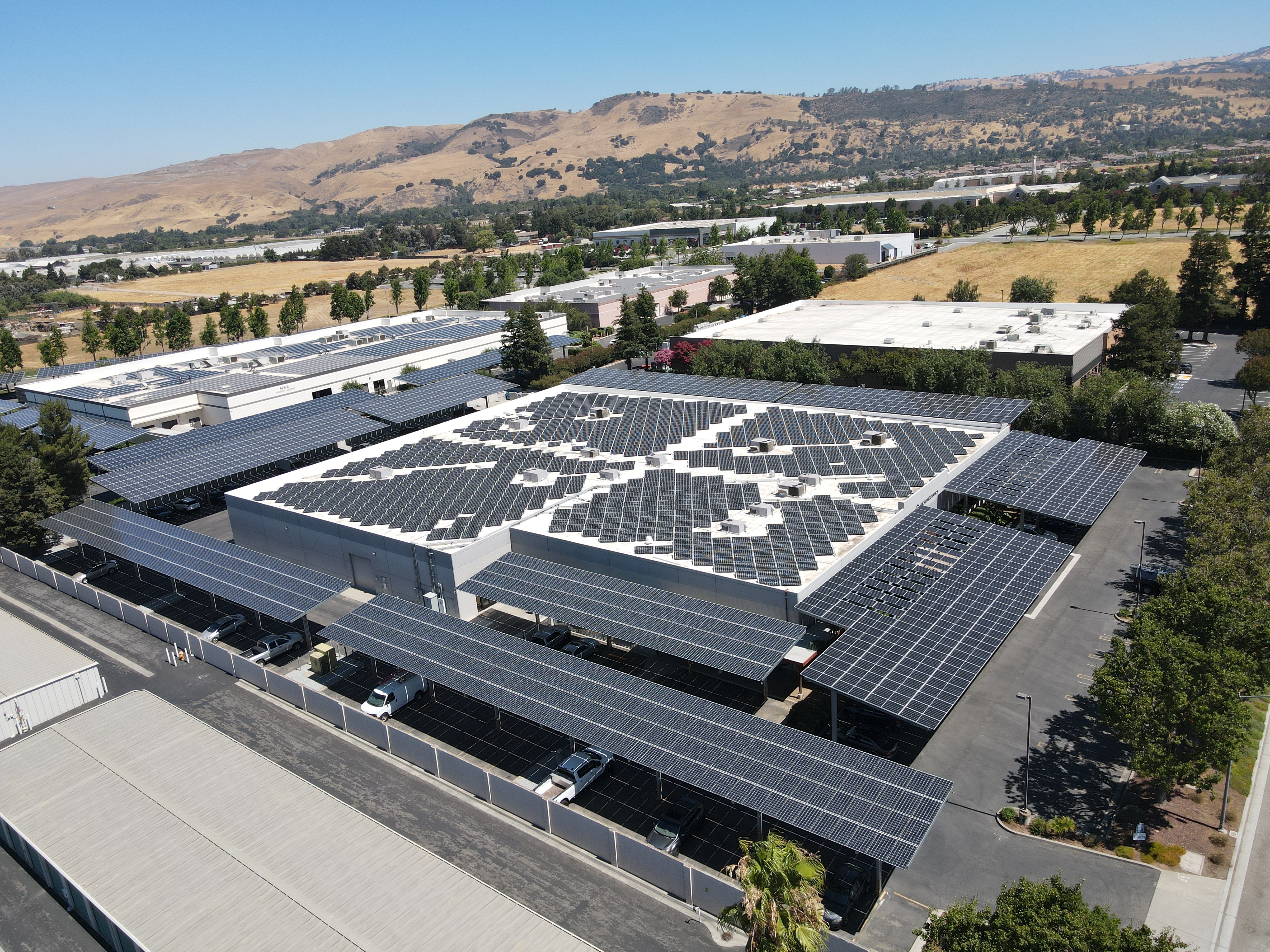
Solar continues to be one of the most practical ways for many businesses to reduce long-term operating expenses.
A properly designed commercial solar system can help:
Offset purchased electricity
Reduce exposure to rising utility costs
Improve long-term operating budgets
Support corporate sustainability goals
While federal incentives have changed, the fundamental value of generating electricity onsite has not.
The best projects are still built around a facility’s actual energy usage and long-term financial objectives.
Battery Storage Is Becoming Part of the Conversation
As utility rates become more complex, battery energy storage is becoming an increasingly valuable tool for many commercial facilities.
Battery systems can help businesses:
Reduce peak demand charges
Shift energy usage to lower-cost periods
Improve resilience during outages
Complement onsite solar generation
Battery storage isn’t the right solution for every project, but it is becoming an important part of modern energy planning. Industry analysts expect continued growth in both utility-scale and commercial battery installations as businesses seek greater flexibility and reliability.
Renewable Hydrogen Is Opening New Opportunities
Not every industry can be easily electrified.
Heavy transportation, industrial manufacturing, and certain commercial operations often require high-energy fuels that batteries alone may not be able to provide.
Renewable hydrogen offers another option.
Produced using renewable electricity through electrolysis, hydrogen can be stored, transported, and used in applications where direct electrification is difficult or impractical.
California continues to invest in hydrogen as part of its broader strategy to reduce emissions across transportation and industry, making renewable hydrogen an area of growing interest for project developers and commercial users.
Energy Planning Is Becoming More Important Than Equipment
One of the biggest changes we’ve seen isn’t technological.
It’s strategic.
Businesses are asking broader questions:
Should we install solar?
Would battery storage improve our economics?
How will our electricity needs change over the next decade?
How do future regulations affect today’s decisions?
What investments provide the greatest long-term value?
Those questions require more than equipment quotes. They require careful planning.
CitiGreen’s Next Chapter
Since 2003, CitiGreen has focused on helping businesses make informed energy investments.
Commercial solar remains a core part of what we do.
At the same time, we’re expanding our expertise into battery energy storage, renewable hydrogen through SolarH2, and other technologies that support the next generation of commercial energy infrastructure.
Our mission hasn’t changed.
We’re still helping businesses reduce operating costs, improve energy resilience, and make long-term investments with confidence.
Only the tools are evolving.
Sources
U.S. Energy Information Administration, Annual Energy Outlook 2026.
U.S. Energy Information Administration, Short-Term Energy Outlook, June 2026.
International Energy Agency, Energy and AI.
Solar Energy Industries Association, AI Leaders Are Pumping Billions into Solar + Storage.